October 09, 2026



A good tradesperson is worth waiting for. A bad one can cost you a fortnight of disruption, a chunk of your savings and a phone number that stops working the moment you query the bill. The difference between the two is rarely luck. More often it comes down to the twenty minutes you spend asking questions before anyone lifts a tool.
Most people in the building trades are honest, skilled and booked up weeks ahead. Because the good ones are busy, it is tempting to say yes to whoever can start on Monday. That is precisely the moment to slow down.
Here are the questions worth asking, and what a decent answer sounds like.
Anyone working in your home should hold public liability insurance, which covers damage to your property or injury to a visitor. If they employ anyone at all, even one labourer, they are legally required to hold employer's liability insurance too. Ask for a copy of the certificate and check the dates — an expired policy tells you plenty about how the business is run.
"We're fully insured" is not an answer. A certificate is. It takes thirty seconds to send a photo of one, and a genuine trader will not mind being asked.
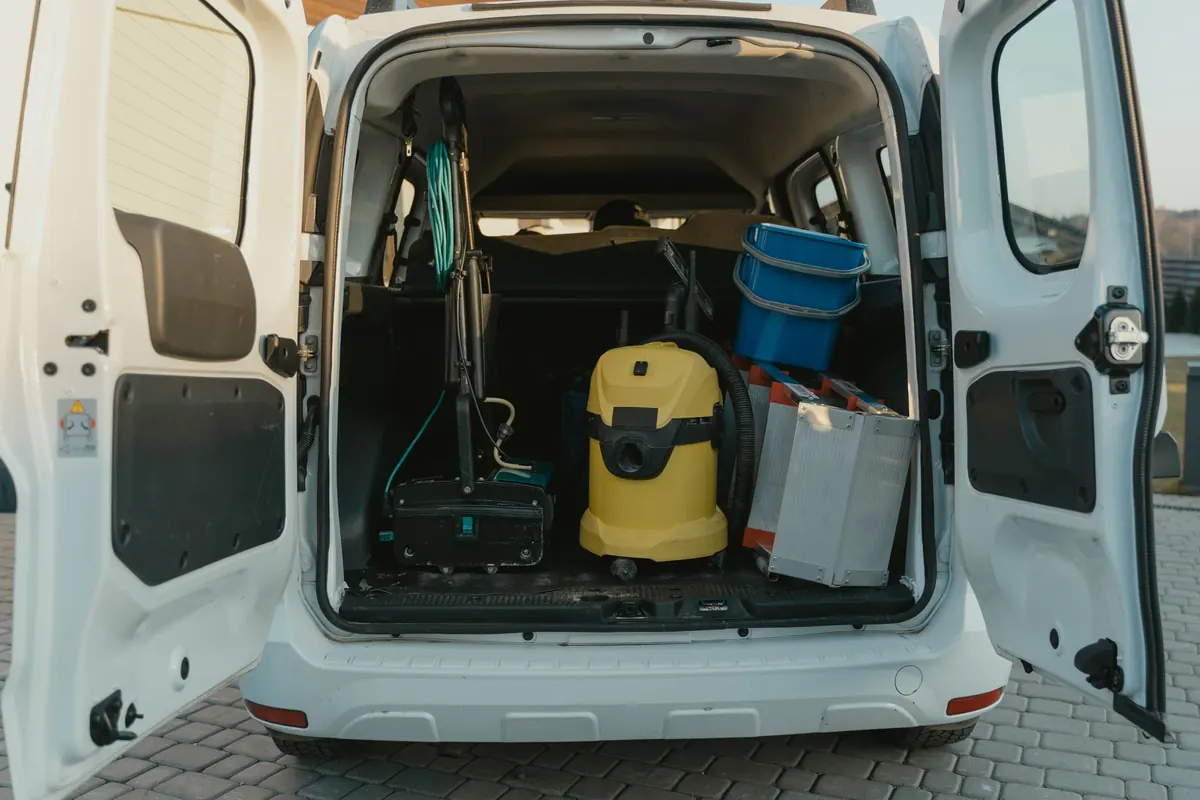
Some work must be done by a registered professional. Gas work must be carried out by someone on the Gas Safe Register, and notifiable electrical work should be done by a registered electrician. Ask for the registration number and check it on the official register rather than trusting a logo on the side of a van. Generic "approved trader" badges are worth far less than a scheme with a searchable database.
An estimate is a guess. A quote is a commitment. Ask for it in writing, by email is fine, and make sure it covers:
If someone will not put a price and a description in writing, treat that as your answer. Word-of-mouth arrangements go wrong quietly, and memories differ once money is on the table.
Ask for two or three customers from the past year, ideally including one whose job resembled yours. Then ring them. Ask whether the trader turned up when they said they would, whether the final bill matched the quote, and whether they would use them again. The most useful question is the last one: if anything needed fixing, how was it handled? Anyone can be pleasant on a good day. What you want to know is what happens on a bad one.
Seeing recent work is a bonus, whether that means photos on a phone or a look at a finished job. Be reasonable about privacy — most traders will happily show you pictures rather than send you to a stranger's front room.
The bigger the deposit, the more you are trusting someone with nothing in return. A modest deposit towards materials on a large job, such as a bathroom or kitchen with special-order items, is normal. A request for half the money in cash before any work begins is not.
On bigger jobs, stage payments released as each phase is completed are standard. Hold back a final payment until you have walked round the work, made a snagging list and seen it sorted. Pay by card where it is accepted, as it usually offers more protection than a bank transfer, and be wary of transferring money into an account that does not match the business name. Get a receipt for every payment.
If a trader offers a discount for cash to "keep it off the books", walk away. You will have no paperwork, no guarantee and very little comeback. For anything substantial, a short written contract is sensible, and if a dispute arises, Citizens Advice or your local Trading Standards team can tell you where you stand. For large sums, it is worth taking proper advice rather than relying on a forum thread.
Ask when they will start and how many days they expect to be on site. Will they be there every day, or fitting you in between other jobs? A fortnight of half-days is a different proposition from a solid week.
Then cover the practicalities. Who moves the furniture? Where does the skip go, and does it need a permit? Will you lose the use of the bathroom overnight? Is scaffolding included, and does anyone need to be home while work is happening? Sorting this out in advance prevents most of the arguments that follow.
Some warning signs are worth taking seriously:
You do not have to justify yourself to anyone. "Thanks, I'm getting a couple more quotes" is a complete sentence, and no decent trader will argue with it.
Save the ten questions in a note on your phone and work through them with each trader you speak to. Keep everything in one email thread so the quote, the schedule and any changes are in one place. Take photos before the work starts and after it finishes, and write down the trader's full name, business name, address and phone number.
Check the register for any gas or electrical work, agree the payment stages in writing, and hold back the final instalment until your snagging list is done. If something does go wrong, put your complaint in writing first and give them a reasonable chance to put it right. A little paperwork at the start saves an enormous amount of arguing at the end.
Photo: Tima Miroshnichenko / Pexels
Local news and stories from the Cairn community.
Copyright © 2026 Cairn Times. All rights reserved. Cairn Times.